
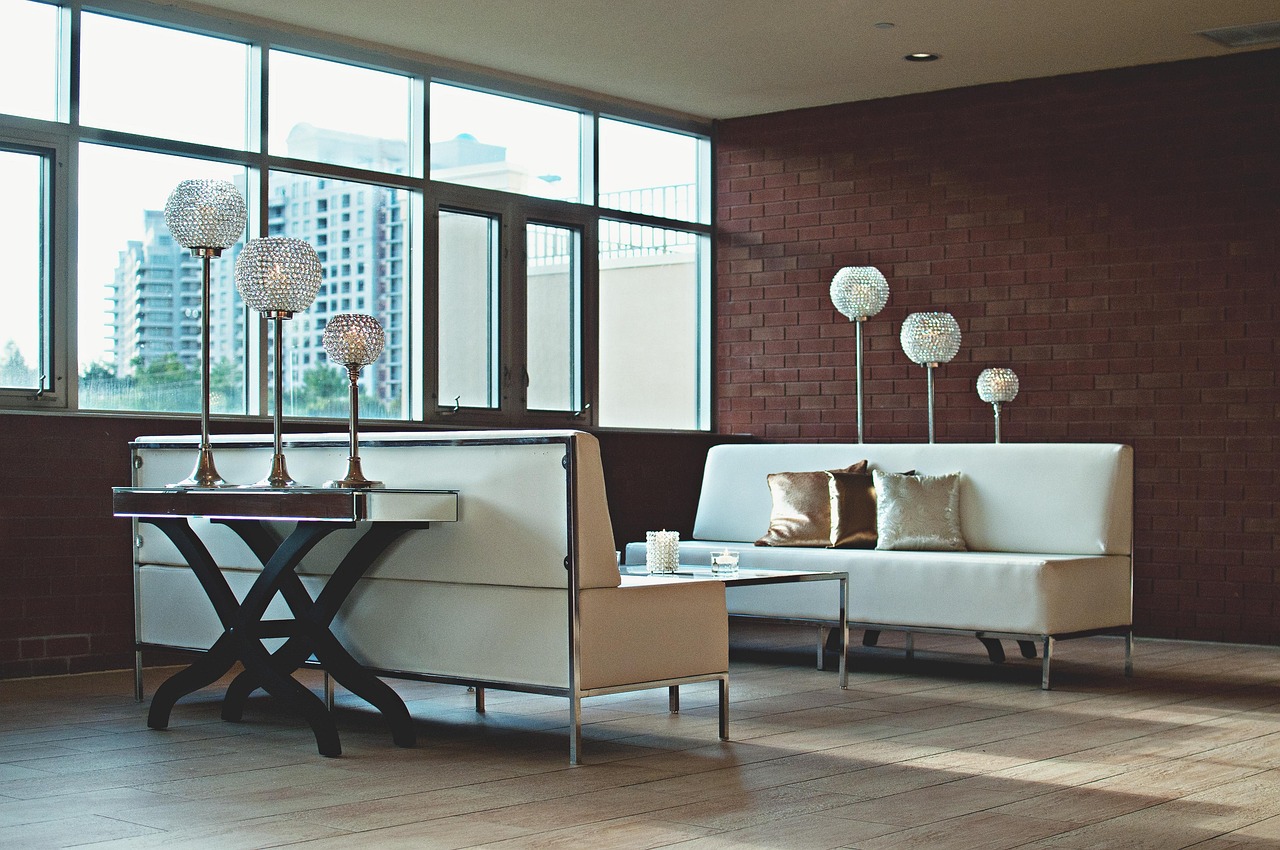
Interior design and architecture are distinct fields, but they intersect in several ways. The term ‘architecture’ refers to the foundational structure. On the other hand, interior design refines the usability and aesthetic value of the space. So, a flawless architecture creates a perfect base for an attractive interior design. Let’s discuss how the existing architecture helps you determine the best home interior design.
Which Architectural Aspects Affect Your Interior Design?
The most important architectural elements are:
- Lighting – Your building’s layout and natural light make a difference in your interior ambiance.
- Spatial Design – The open areas and the property’s arrangement influence how you will position furniture.
- Structural Integrity – Load-bearing walls and beams affect design flexibility. It will allow you to have creative interior designs.
- Proportion and Scale – The building’s size influences your choice of interior design elements.
Your interior designers will focus on these elements to provide a harmonious layout.
How Does An Architectural Design Influence Your Home Interior?
A few architectural factors help you determine the best home interior design:
Space and Light
Professional architects focus on the light to create a design. Doorways and window placement affect how artificial and natural light flows through the space. They will influence your color choices and furniture placement.
It is also essential to create a perfect outdoor-connected space. For instance, modern shade structures improve the architectural silhouette of your house. They also influence how adjacent rooms receive natural light. You can create a seamless outdoor-indoor flow with the right shade structures.
Functionality and Purpose
Spatial planning is the most important factor that connects architecture and interior design. The architectural plan determines:
- Your building’s layout
- Room sizes
- Air circulation patterns
Based on the custom architectural plan, you can decide how you will place your lighting fixtures and furniture. For instance, open floor plans have become popular in modern architectural design. They allow seamless interactions between your living areas. Interior designers can also easily choose cohesive elements for a design.
Cultural and Historical Aspects
A few cultural and historical factors affect architectural styles and interior designs. For example:
- Symmetry is more important in classical architecture. Interiors for a classical building might include ornamental furniture and chandeliers.
- Japanese architecture focuses on simplicity and natural materials. So, the interior design needs to embrace minimalism and neutral tones that connect with nature.
Adaptive Design and Sustainability in Your Property
Eco-friendliness has become a trend in both interior design and architecture. Many architects recommend creating a green roof for sustainability, for example. Interior designers also choose sustainable decors and furnishings to beautify a space. Moreover, they prefer using recycled materials to design a home interior. They ensure that interior decors align with the architectural design.
Interior design and architecture – both play a vital role in developing a cohesive space. Architects and interior designers work together to create an integrated indoor and outdoor living space. They aim to make the overall space visually appealing and practical. Thus, you can look for these experts to make the space visually compelling and functional.